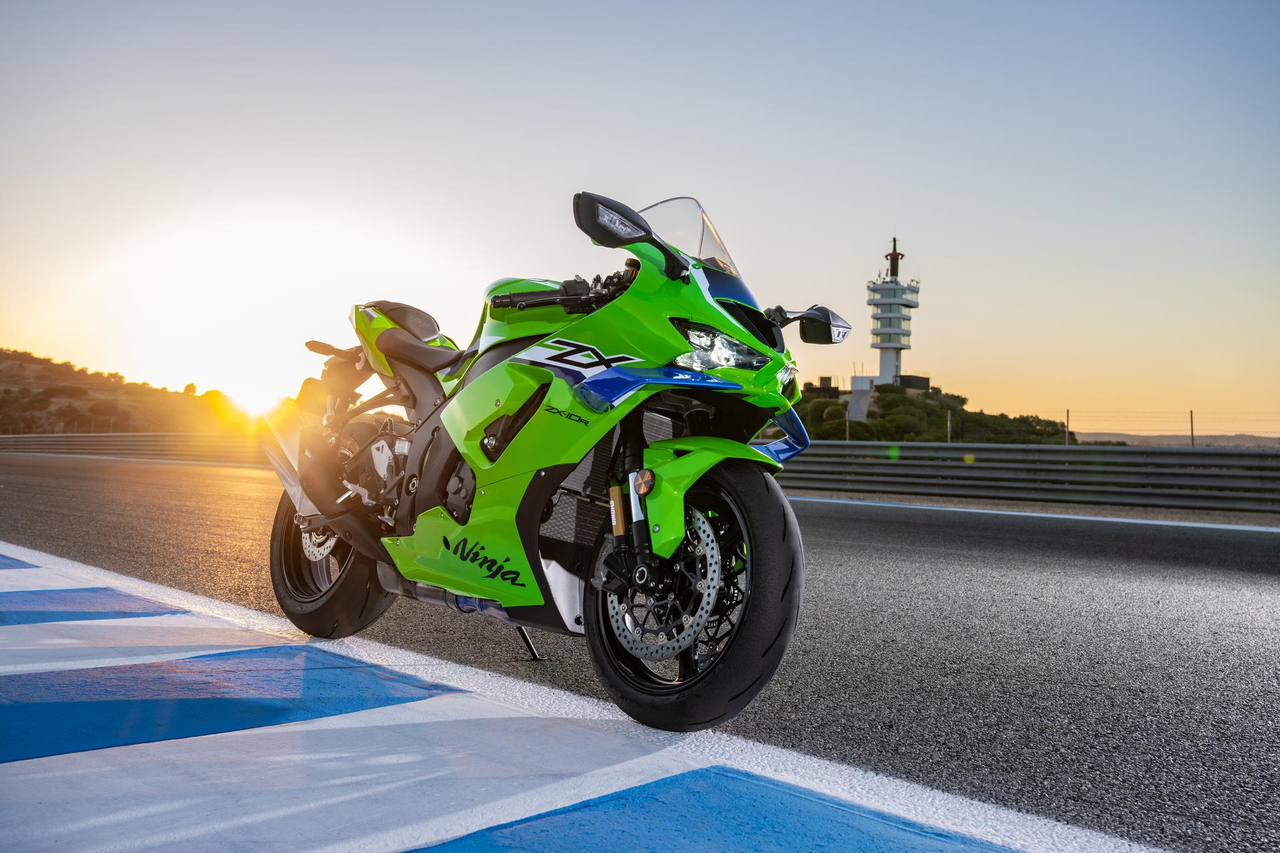
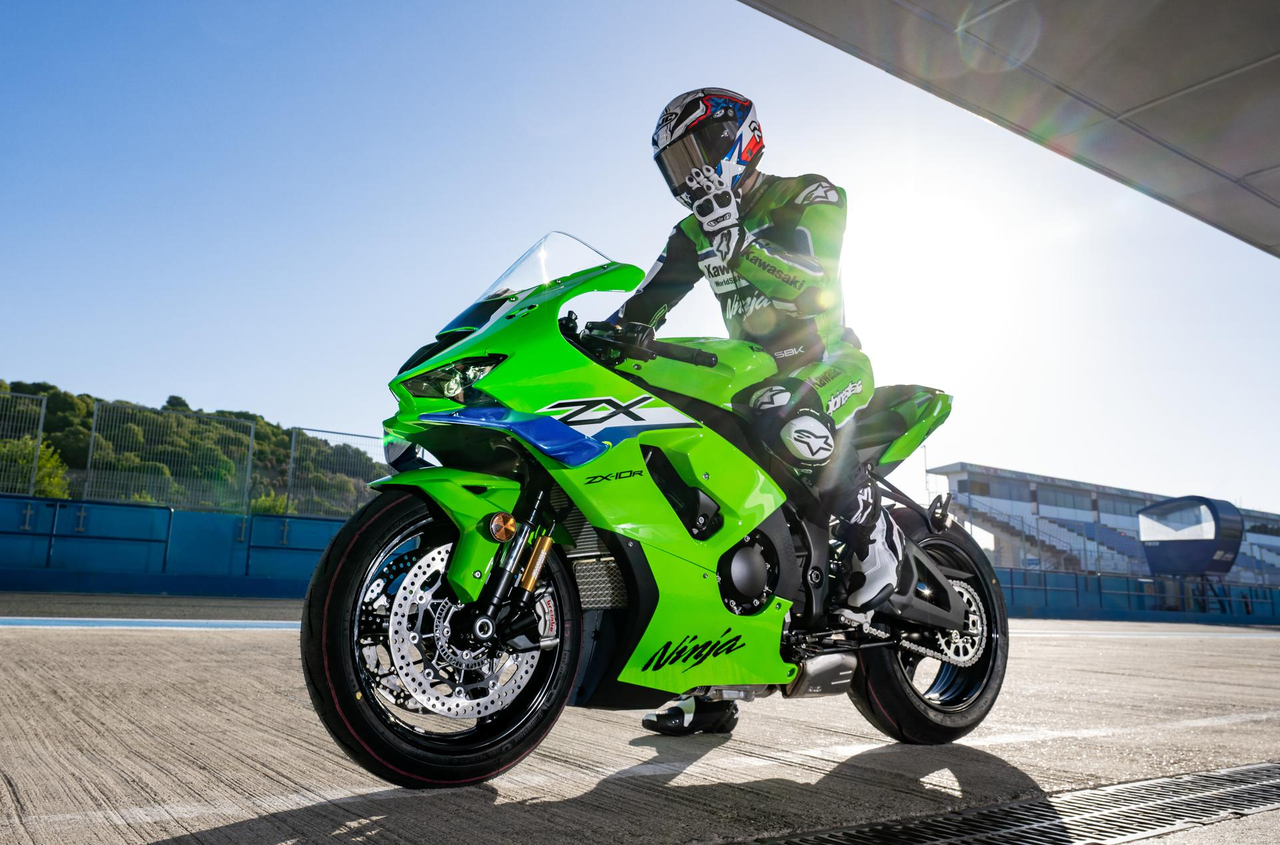
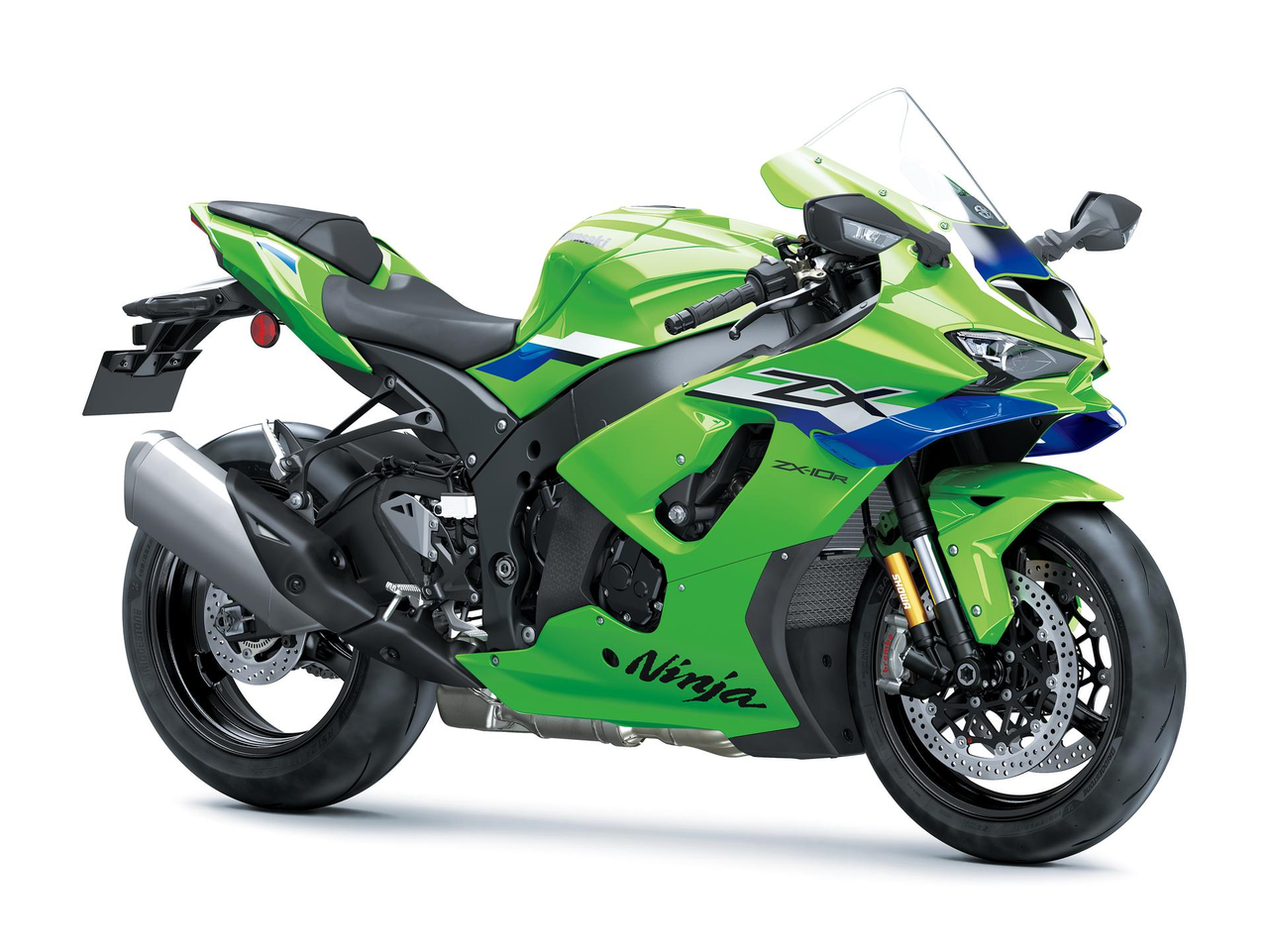
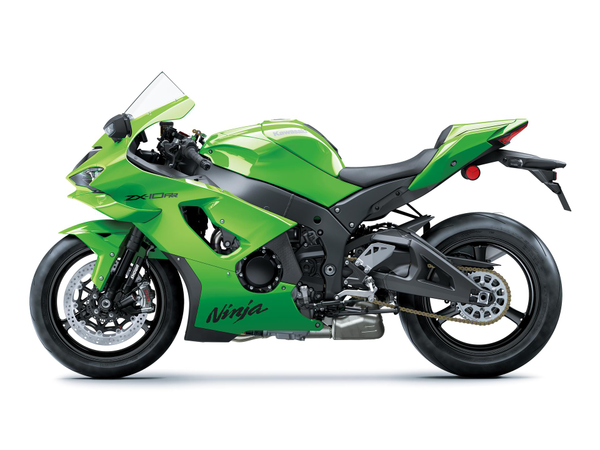
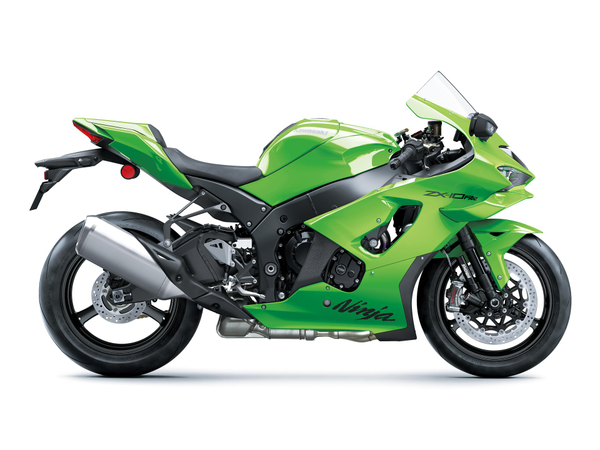
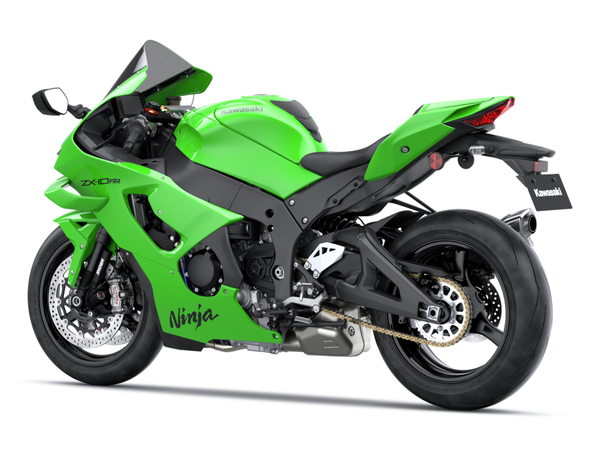
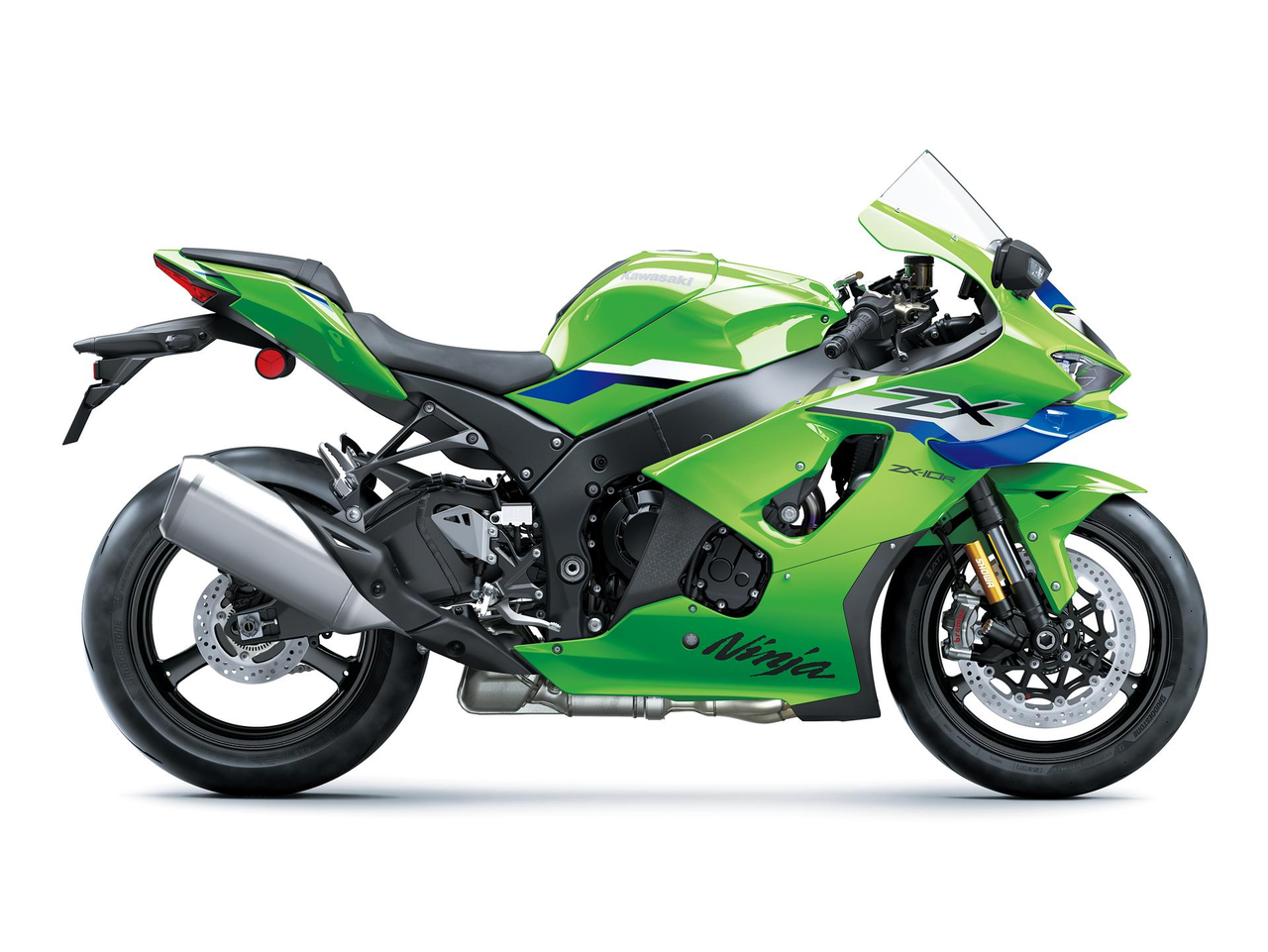
Kawasaki isn’t building many Ninja ZX-10RRs for 2027. Just 500 motorcycles will be available worldwide, and anyone familiar with the RR badge will know why this version exists in the first place.
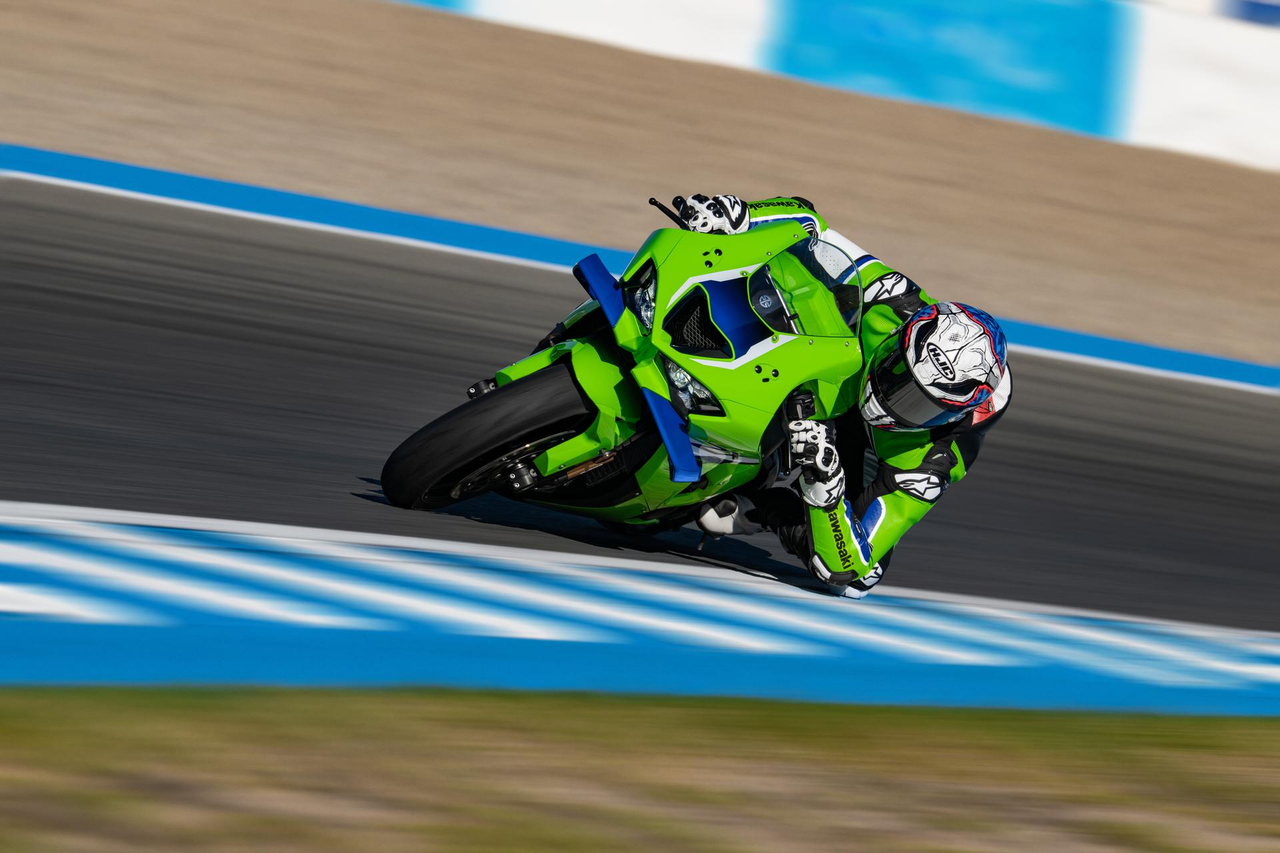
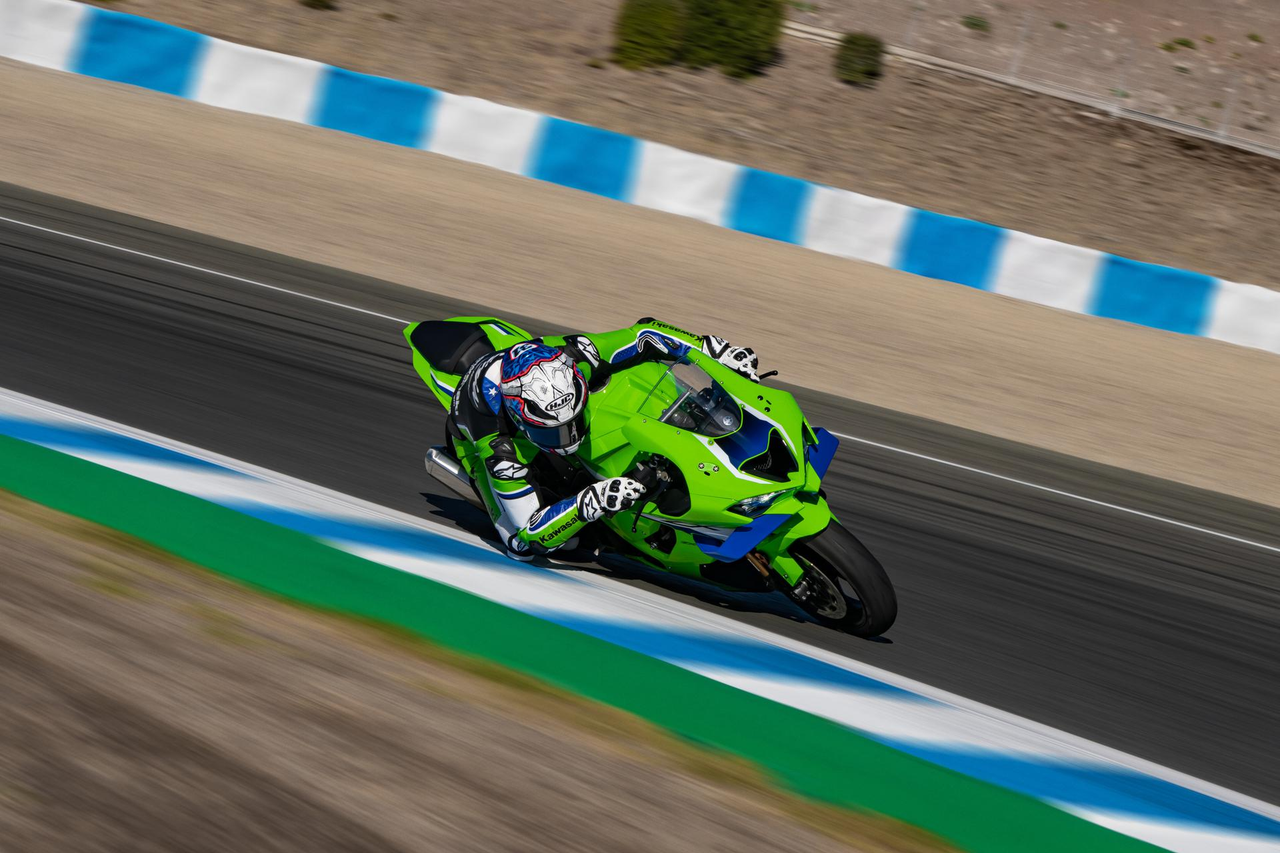
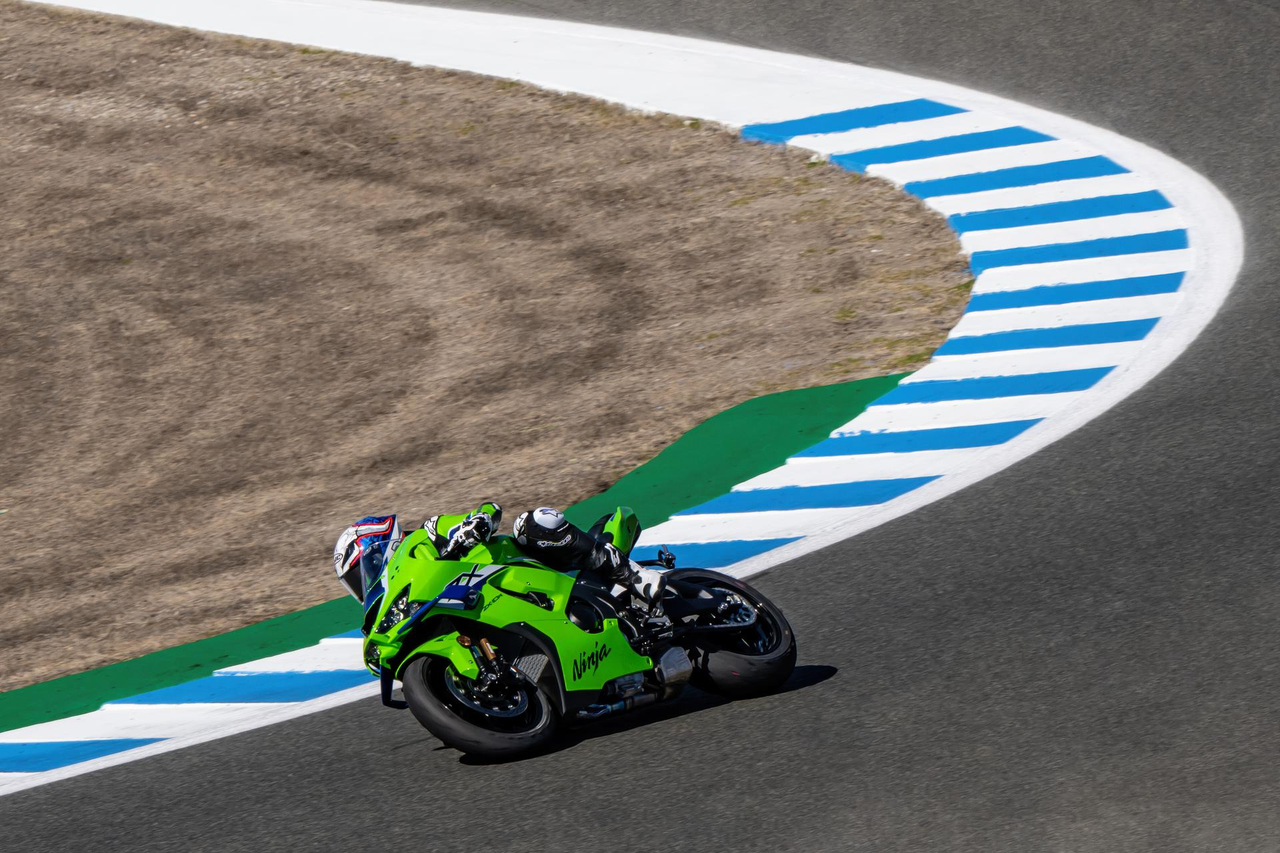
It’s the more specialised member of the ZX-10R family, intended for riders who take circuit performance seriously and for racing teams that need production-based machinery to work with. The regular ZX-10R already has an impressive racing background, so the RR needs something more substantial than different paintwork to justify its position.
A fair amount of that work is hidden inside the engine.
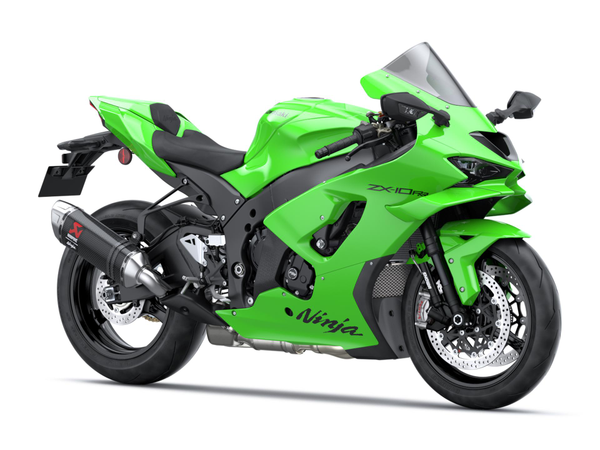
Kawasaki has fitted titanium connecting rods manufactured by Pankl, together with lightweight pistons. Reducing the weight of these moving components is particularly useful in an engine designed to spend considerable time operating at high rpm. It’s expensive engineering, though, and not something most road riders would notice while travelling to work.
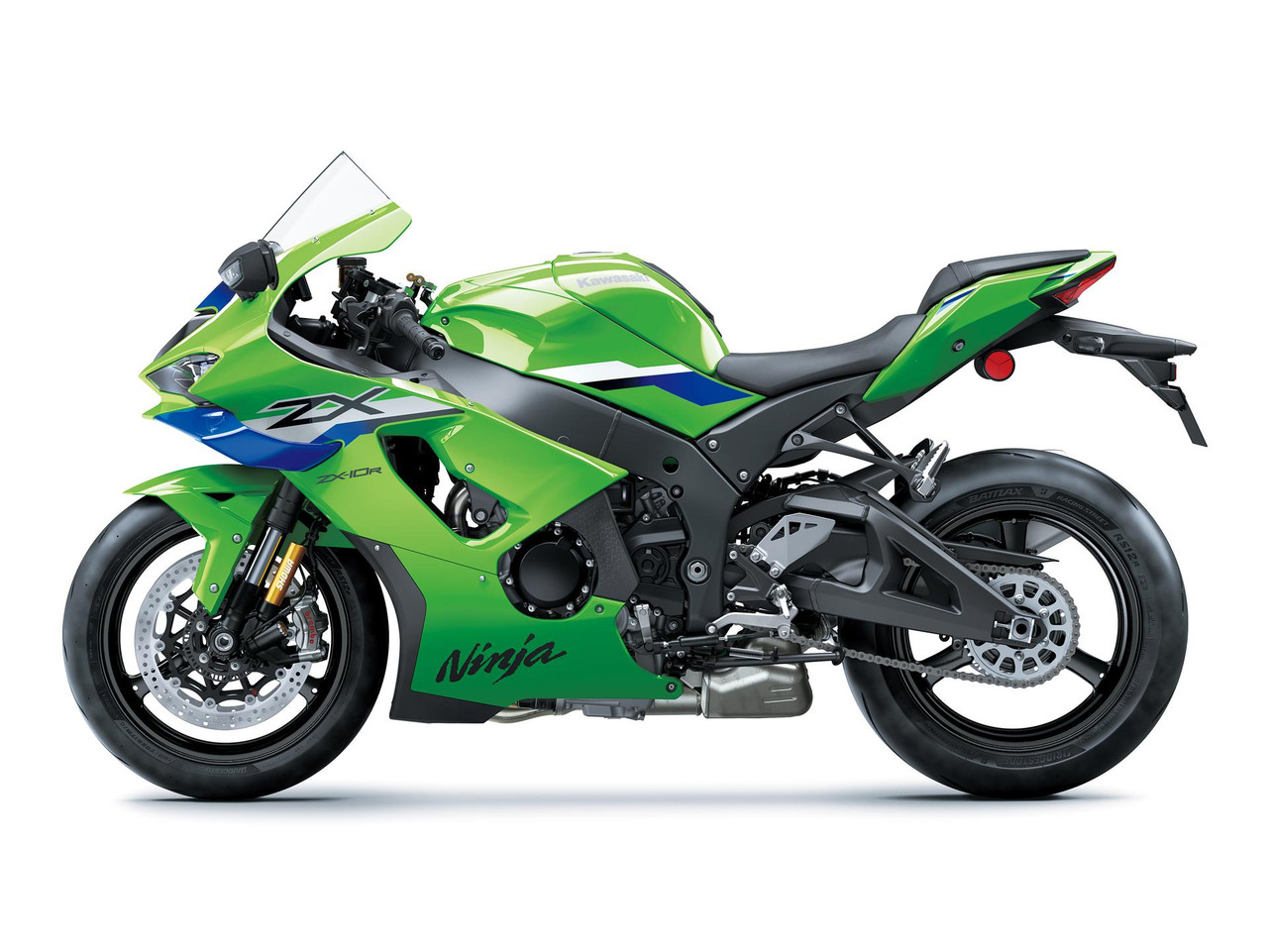
The RR also receives a titanium coating on the front fork’s inner tubes, dedicated rear suspension settings and steel-braided front brake lines. These aren’t especially glamorous changes when viewed individually, but they make more sense on a motorcycle likely to spend a good deal of its life on a circuit.
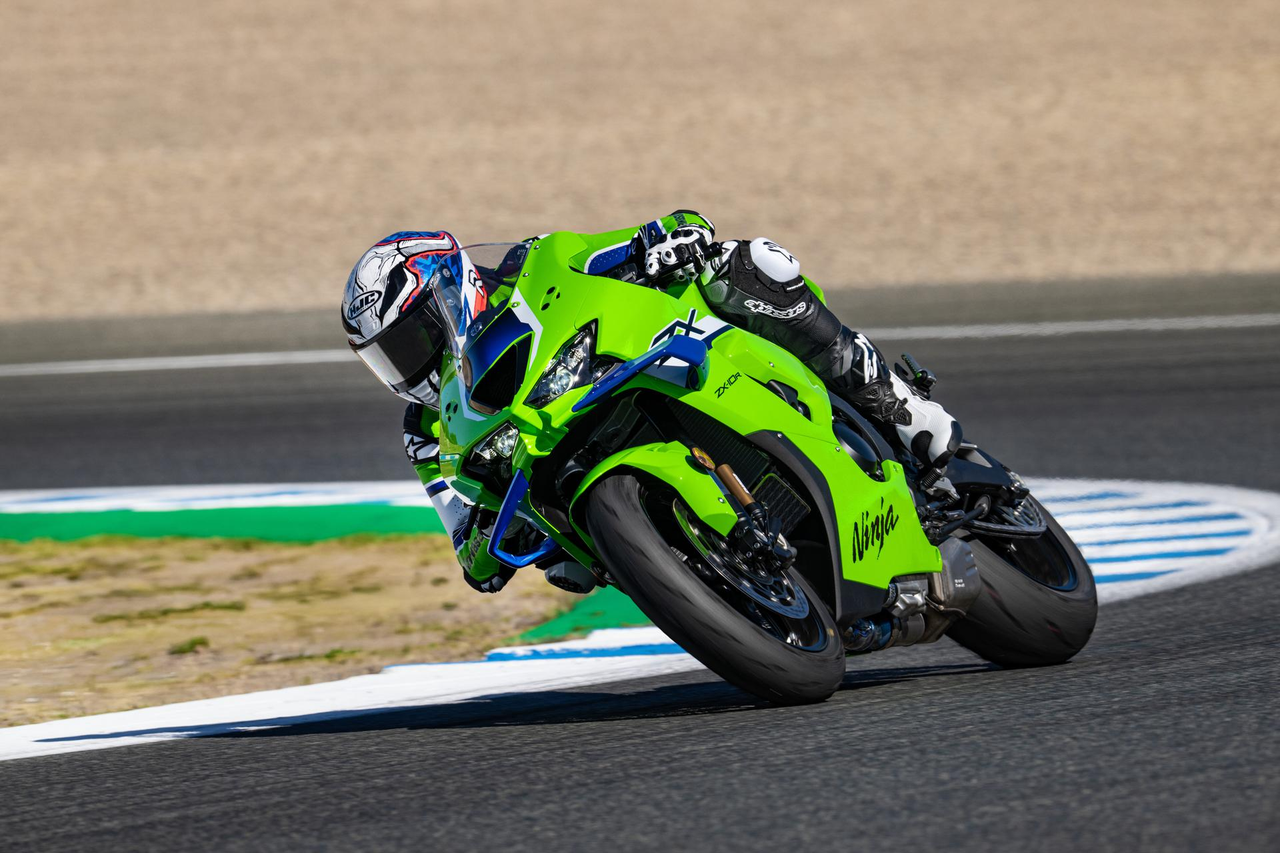
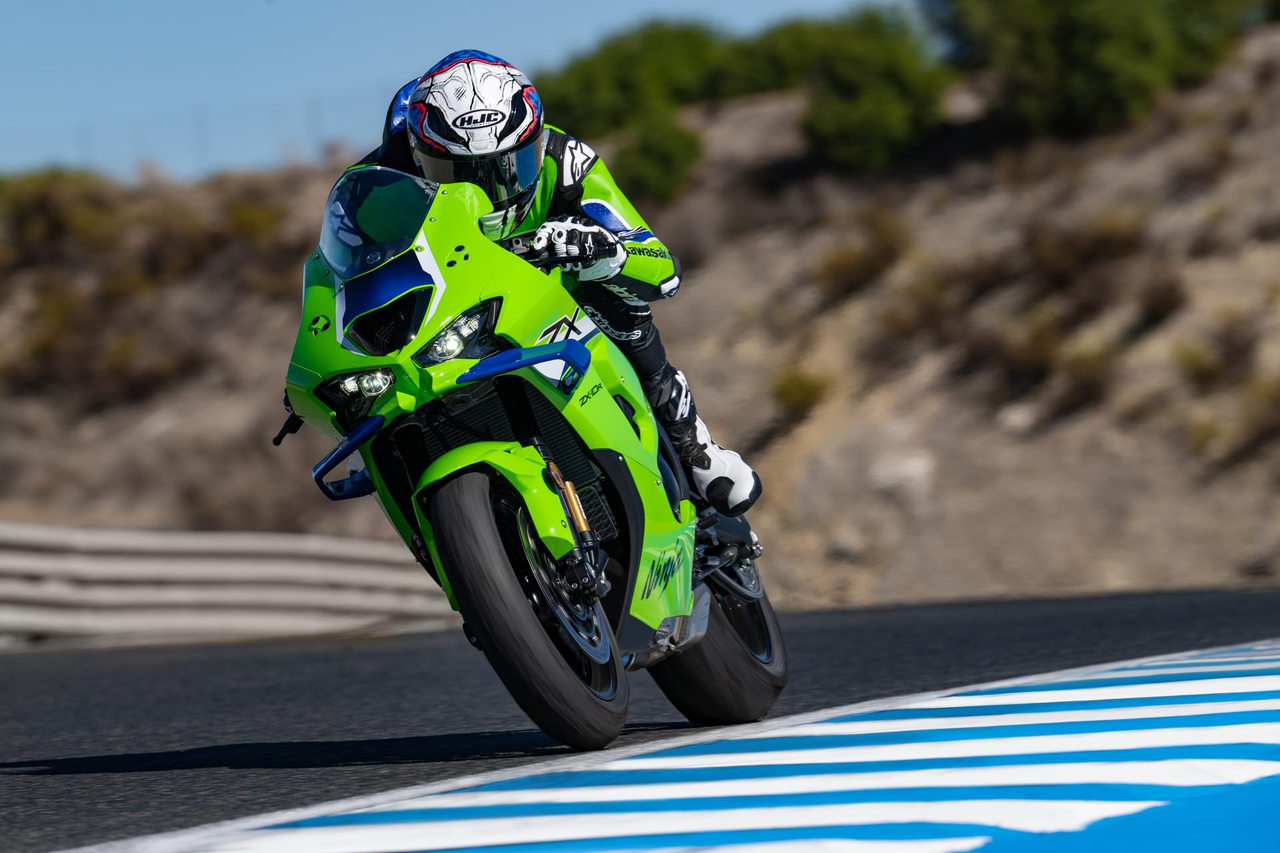
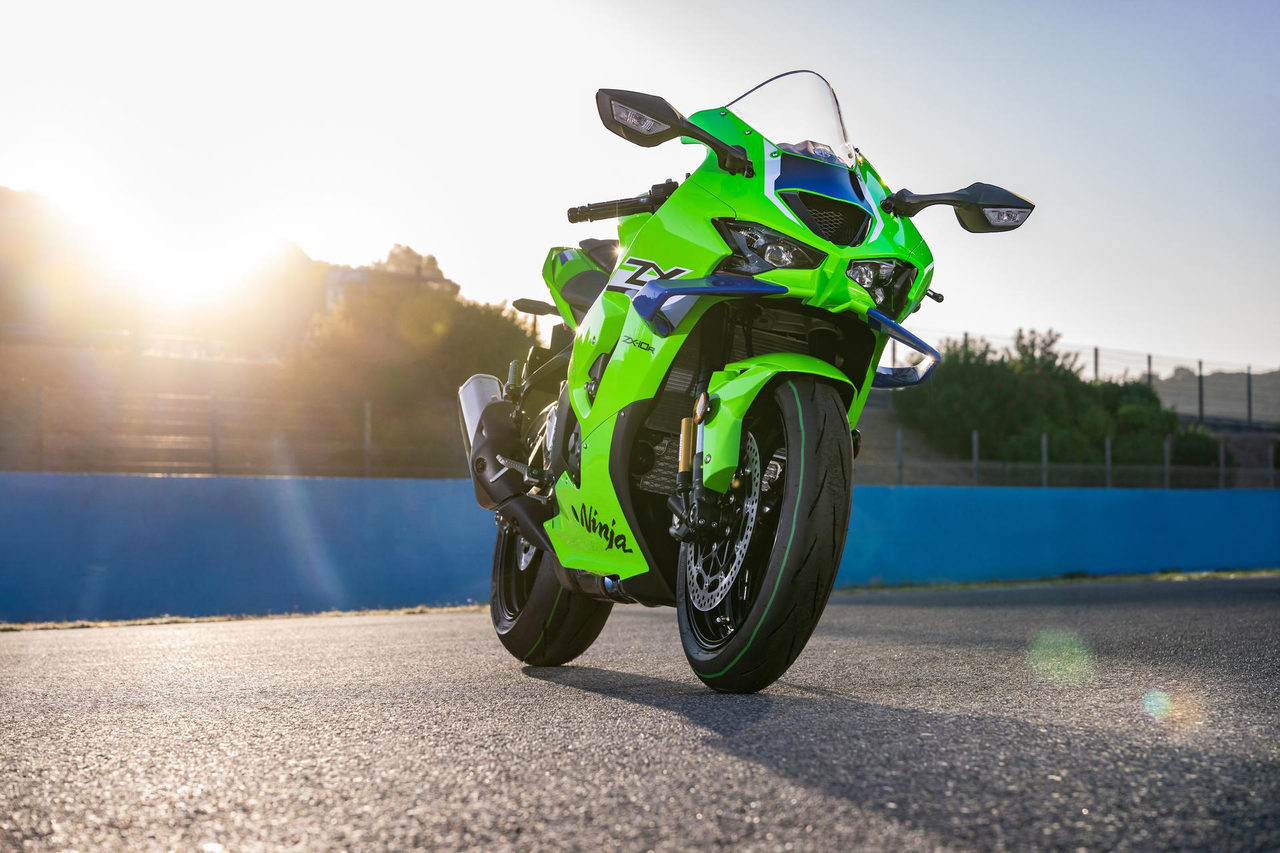
For 2027, Kawasaki has also updated the wider ZX-10R range. The aerodynamic winglets are intended to improve stability at speed, with the chassis geometry adapted to account for the additional aerodynamic forces. Both models use the Balance Free Front Fork developed with experience from World Superbike racing, along with a BFRC Lite rear shock.
Braking equipment includes Brembo M50 monobloc front calipers and 330 mm discs. There’s plenty of electronic assistance available as well, from traction and launch control to adjustable engine braking, selectable power modes and an up/down quickshifter.
Interestingly, Kawasaki has also retained cruise control. It’s not the first feature that comes to mind when looking at a track-focused superbike, although even an RR might occasionally have to cover a few motorway miles.
The electronics can be accessed through the motorcycle’s display, while the Rideology smartphone application provides additional connectivity, riding information and navigation functions.
The RR is supplied as a single-seater, which says quite a lot about the audience Kawasaki has in mind. There’s little effort to pretend this is a practical motorcycle for two people.
Of course, the ZX-10RR isn’t the only expensive superbike built with racing in mind. Ducati, BMW and Honda have all spent considerable sums developing high-performance machinery, and competition in this part of the market has become increasingly technical.
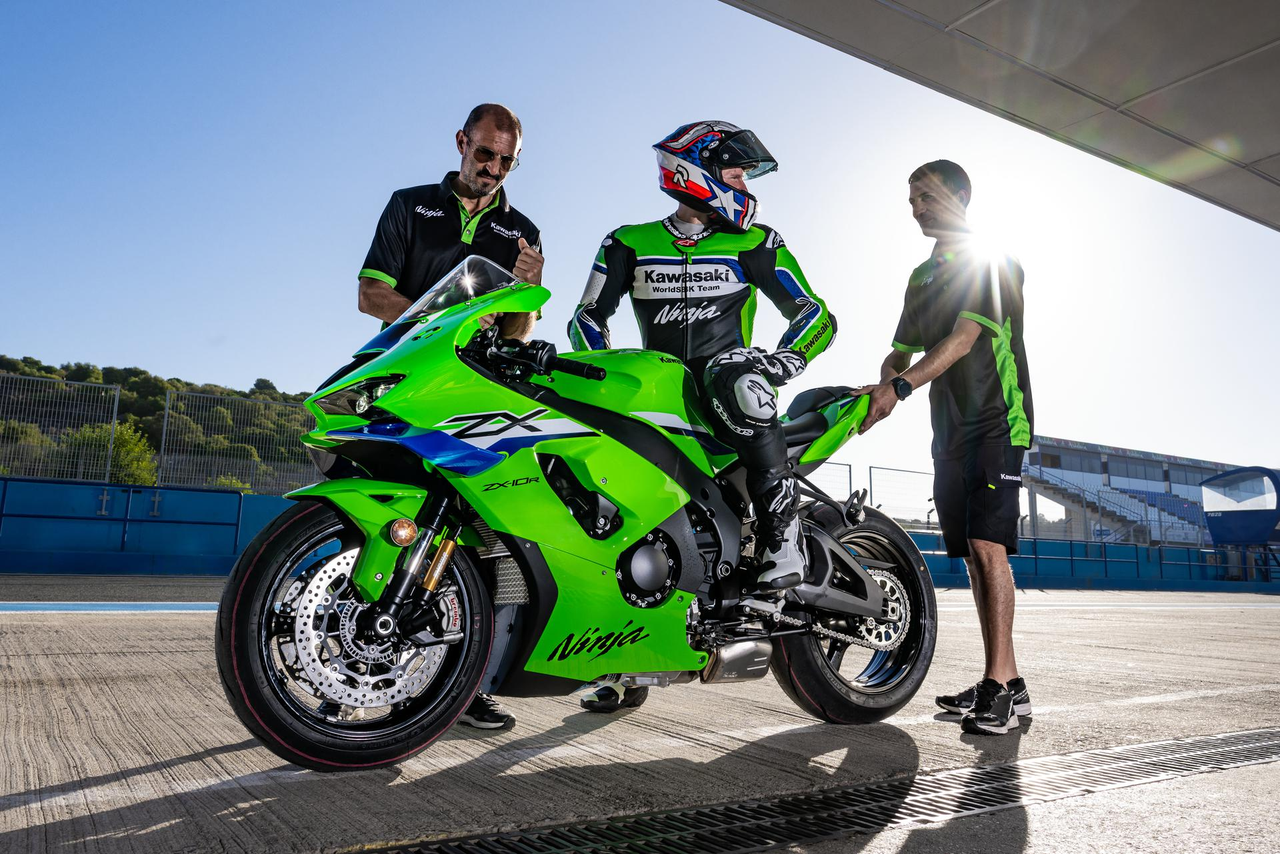
Kawasaki has a particularly strong connection with World Superbike racing, having collected seven titles with the ZX-10R family. The RR continues that relationship by putting specialised components into a road-legal production motorcycle, even if the number of examples available is small.
Whether the average buyer needs titanium rods is another matter. The standard ZX-10R already offers more performance than most riders could reasonably use on public roads, and it’s difficult to imagine the RR being purchased primarily for everyday transport.
But that has never really been its job.
With only 500 examples planned, availability may become as important as the technical specification. Kawasaki hasn’t provided enough market-specific pricing information here to establish exactly how much buyers will pay over the regular ZX-10R, and that difference will be worth watching once local dealers confirm allocations.
Leave a Reply