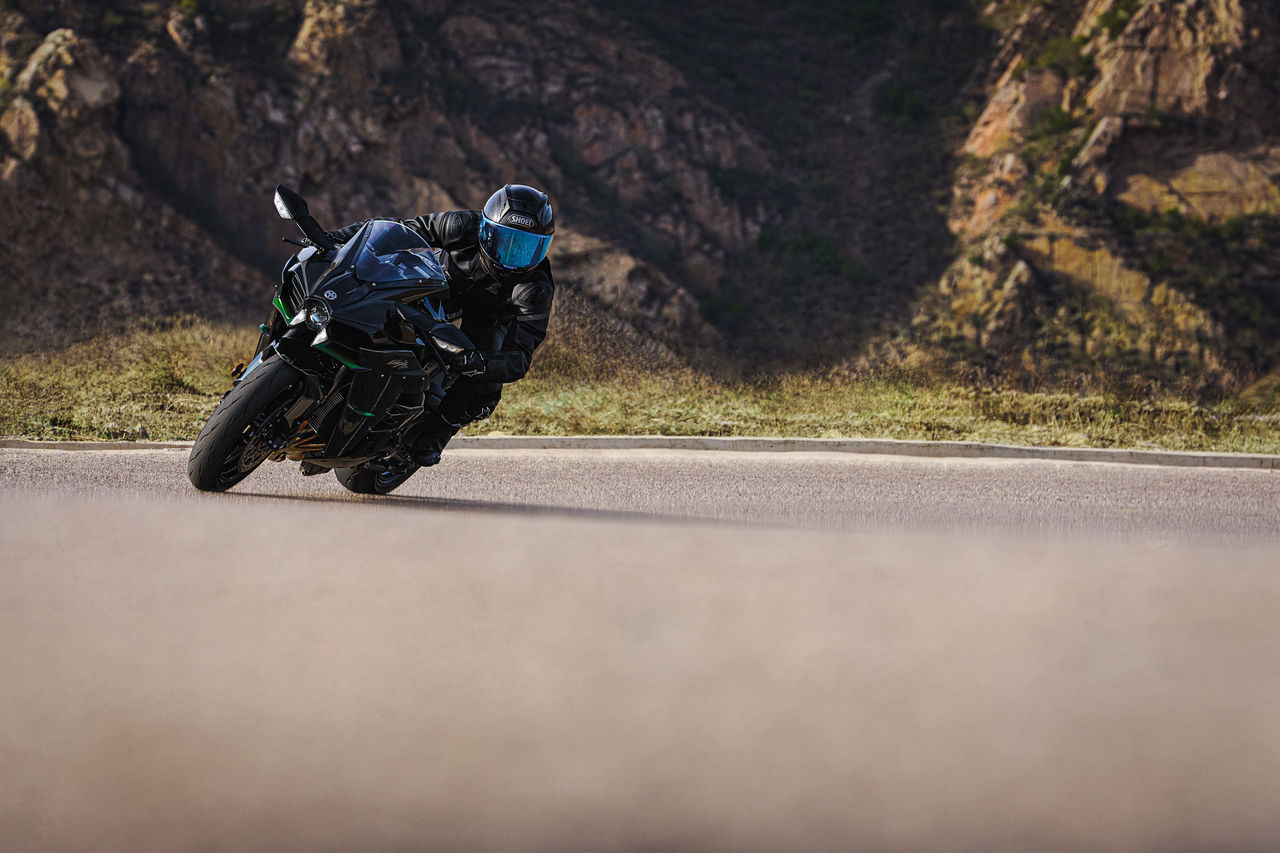
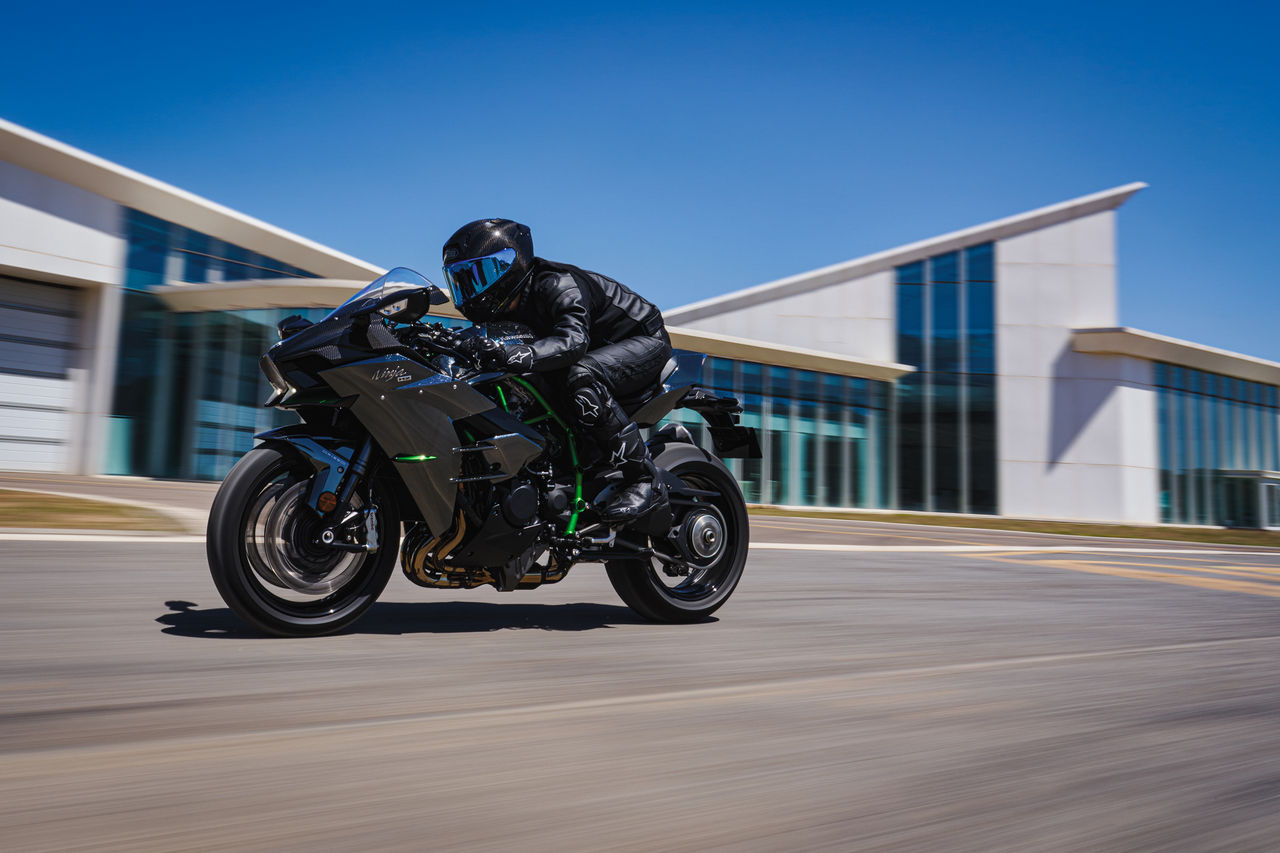
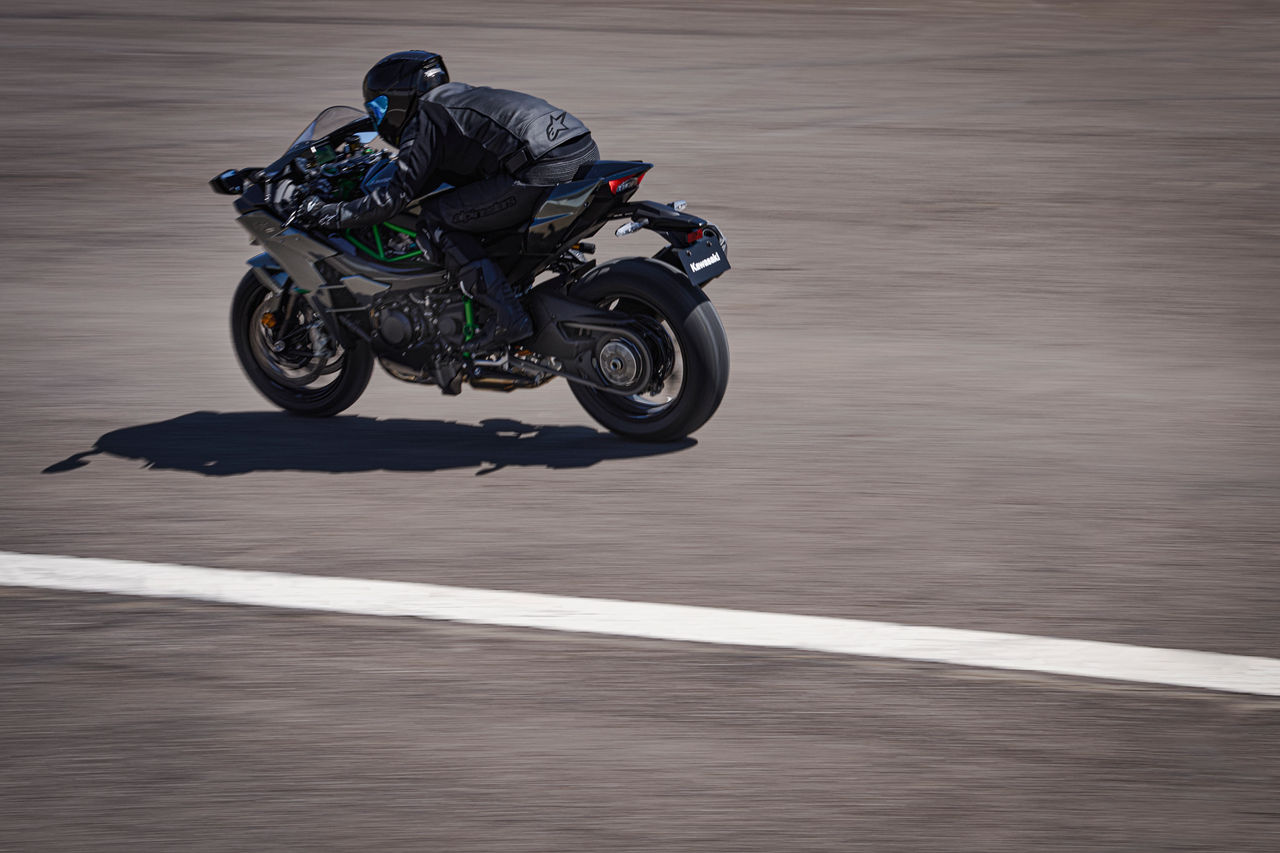
It’s been more than a decade since Kawasaki decided that a supercharger on a production motorcycle was a perfectly reasonable idea. The Ninja H2 still looks slightly mad today, but for 2027 Kawasaki has gone back into the mechanical bits rather than simply finding another shade of green and calling the job done.
Quite a lot has changed, in fact.
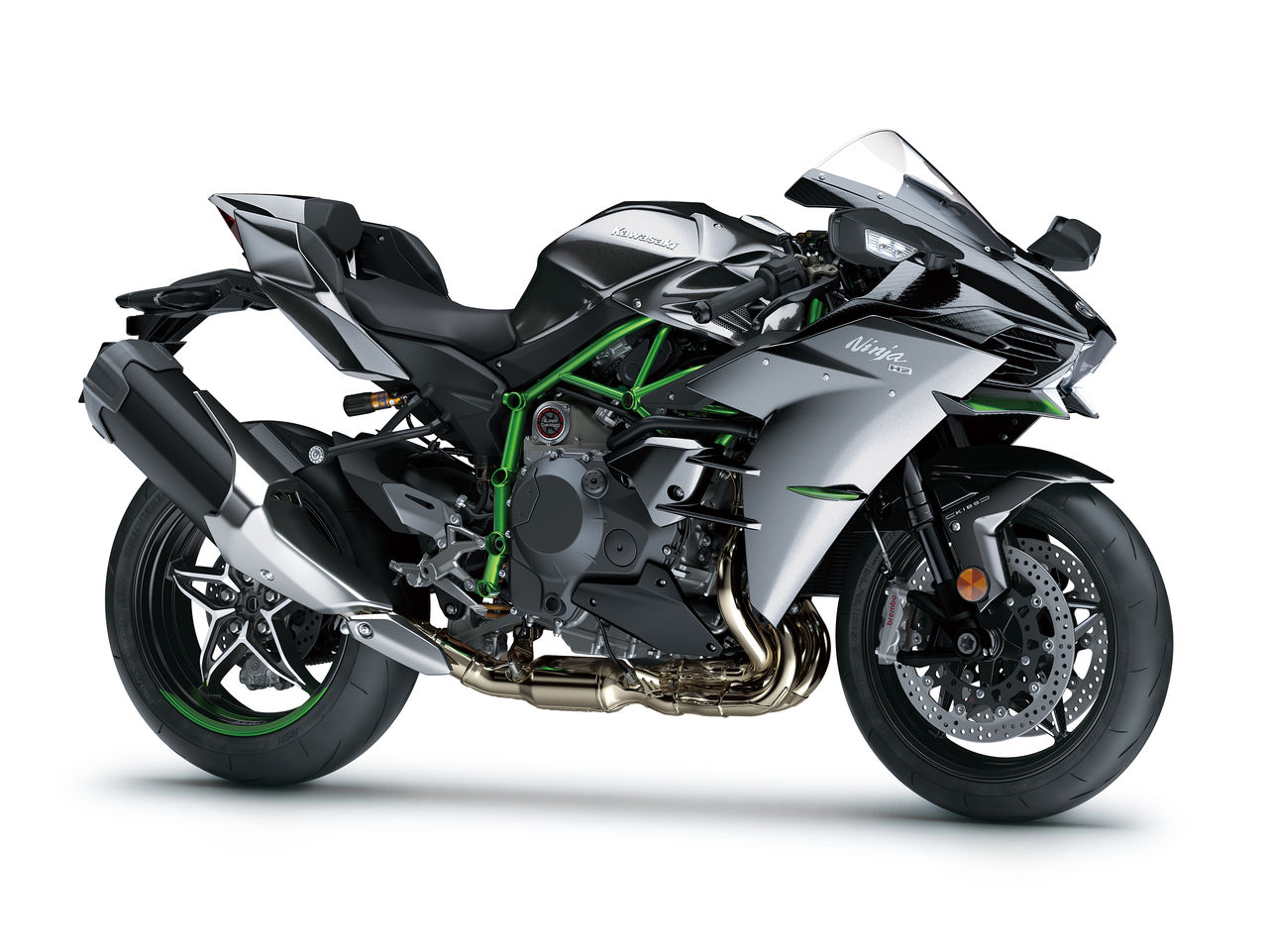
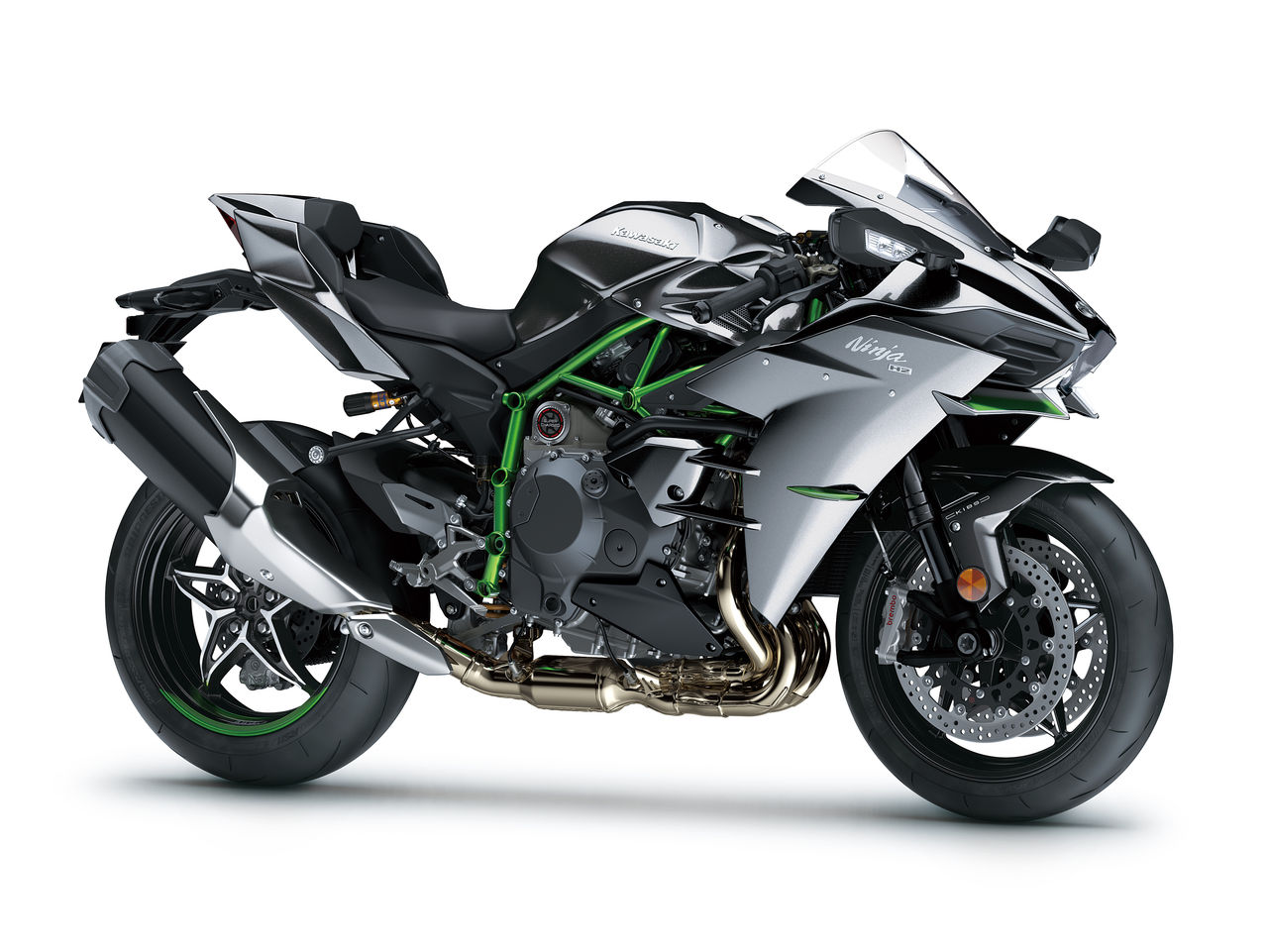
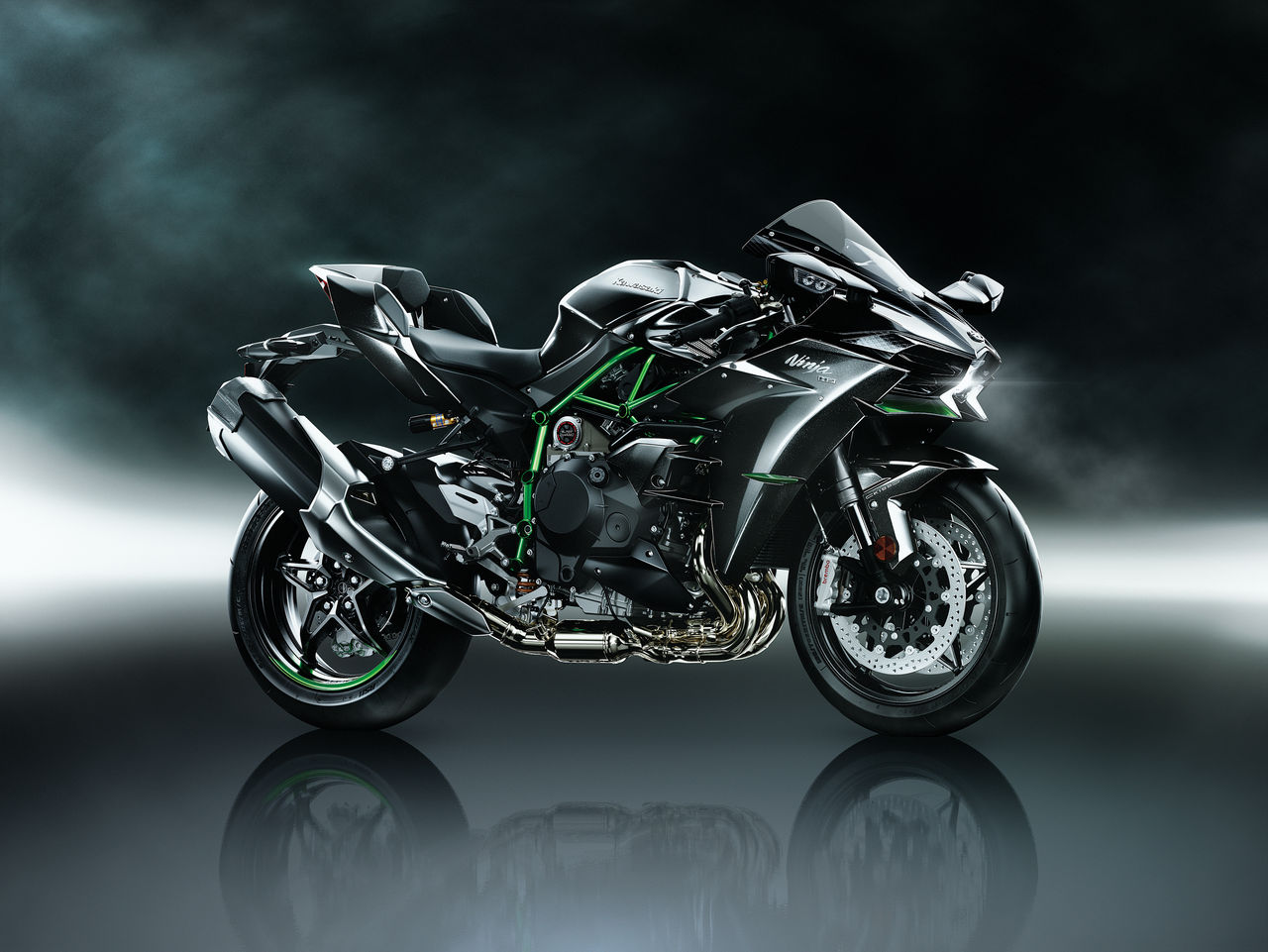
The familiar 998cc four-cylinder engine remains at the heart of the H2, but Kawasaki has redesigned the supercharger impeller and intake system. There are new pistons, camshafts and throttle bodies, changes to the cylinder head and crankshaft, revised gear ratios and a new exhaust. That’s an unexpectedly long list for a motorcycle whose basic recipe was hardly struggling to attract attention.
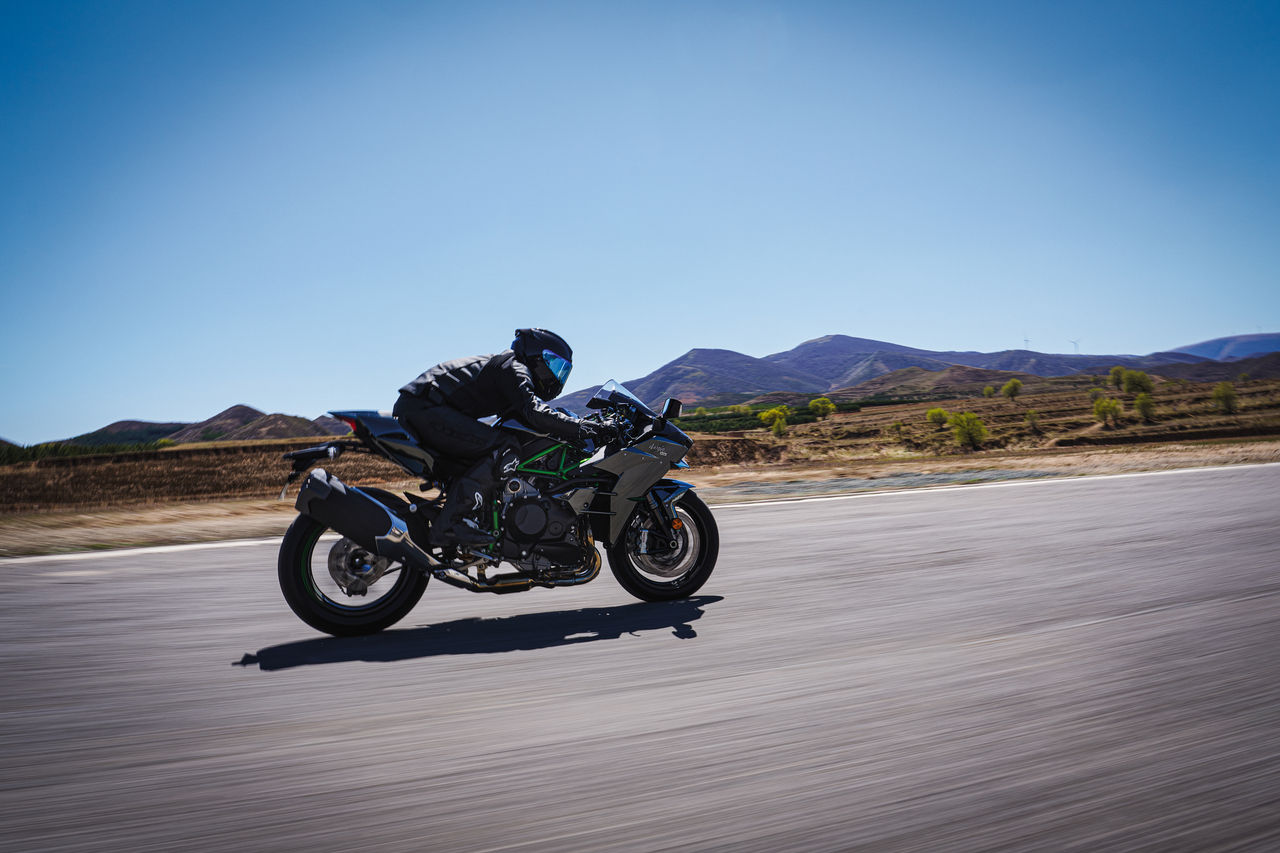
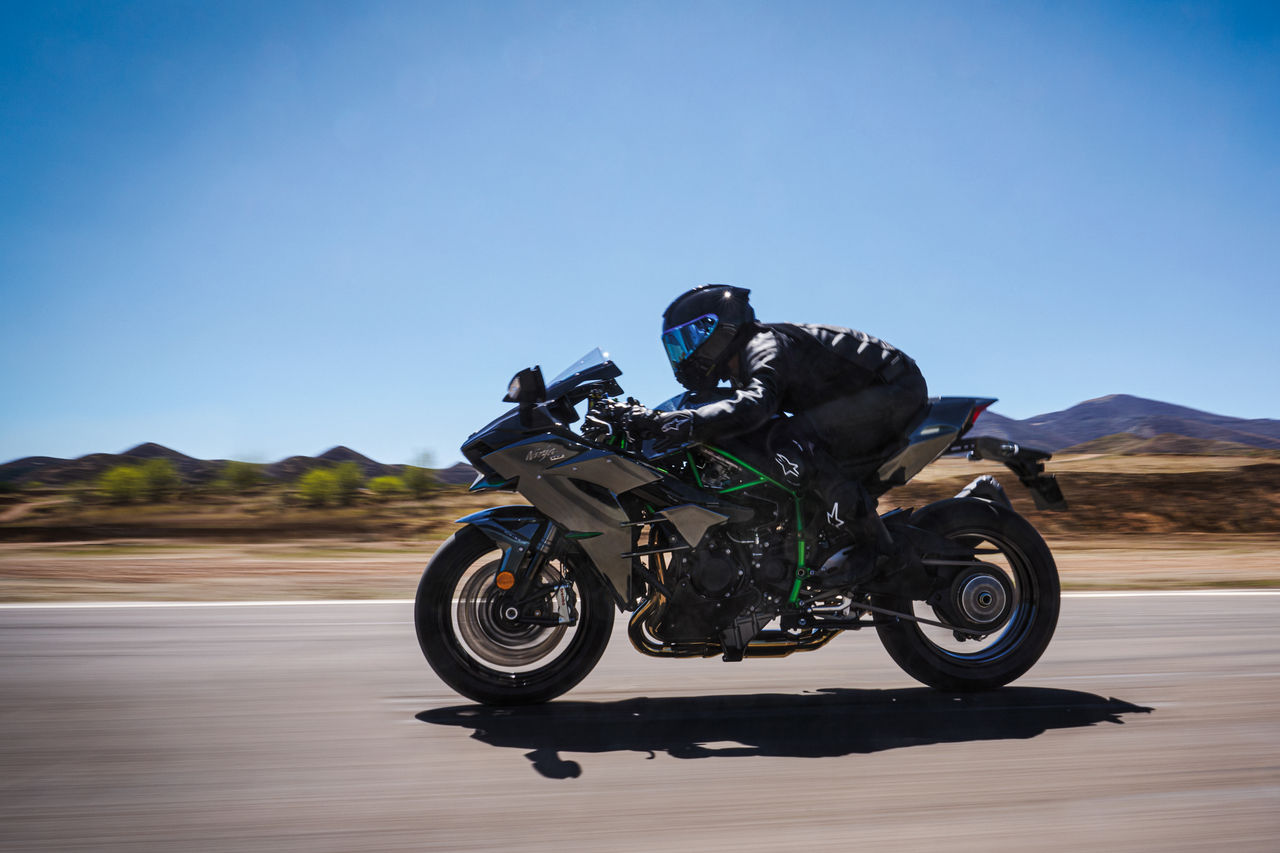
Power reaches 209 PS with Ram Air. On an H2, though, another big horsepower number almost feels like background information. More relevant for road riding is Kawasaki’s work on the lower and middle part of the rev range. Maximum torque now arrives at 8,500 rpm, and the intention is to make all that performance more accessible without having to live near the top of the tachometer.
Whether anyone has ever climbed off an H2 complaining that it needed to feel stronger is another question.
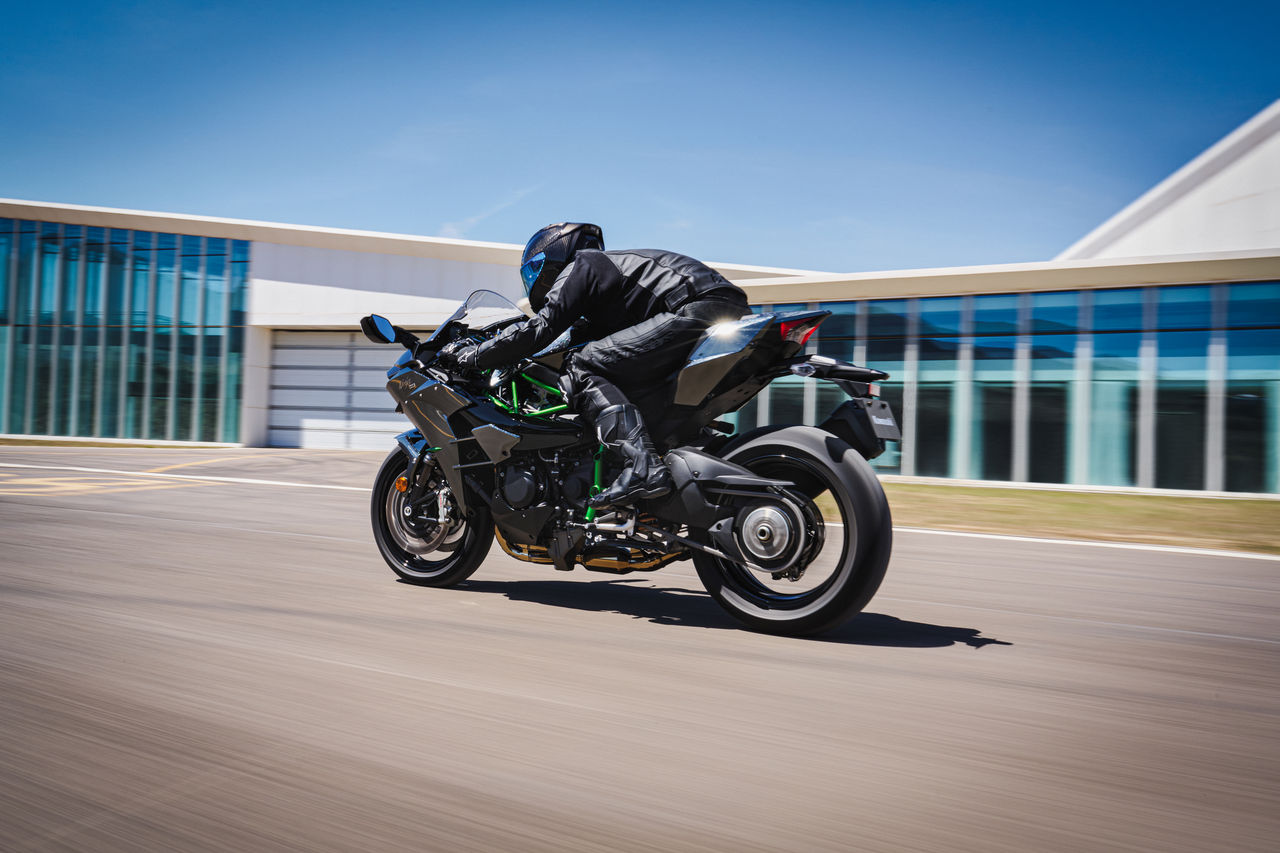
There are worthwhile chassis changes too. Kawasaki has fitted Brembo Hypure calipers at the front, the first time it has used them on one of its motorcycles. Suspension consists of KYB AOS-II forks and an Öhlins TTX36 rear shock, with an electronic Öhlins steering damper helping to keep things calm when the supercharged engine is doing exactly the opposite.
The electronics list is predictably long. There’s traction control, launch control, cornering management, intelligent ABS, a quickshifter and adjustable engine braking. You also get cruise control, a feature that sounds wonderfully mundane on a machine like this but probably becomes rather useful once the motorway begins and the novelty of holding a supercharged engine at a constant speed wears off.
Kawasaki has played around with the instruments as well. One of the two available layouts puts more emphasis on boost, while aviation-style graphics are used for lean and attitude information. The connection isn’t entirely accidental; engineers from Kawasaki’s wider group, including aerospace specialists, were involved in the original H2 project. Smartphone connectivity through Rideology is also included.
Then there’s the H2 Carbon, which adds a carbon-fiber-reinforced upper cowl for anyone who wants the more exclusive road version.
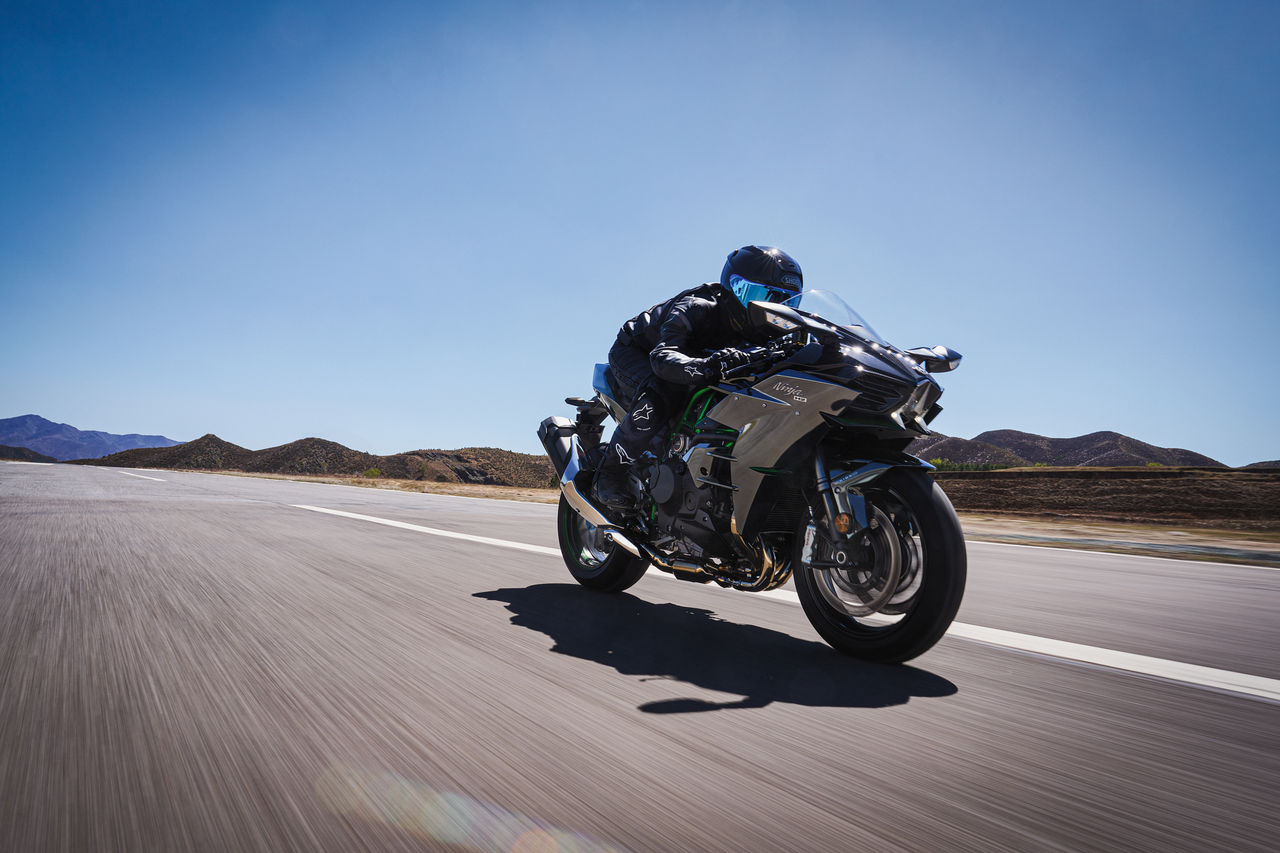
The properly unhinged choice is still the Ninja H2R. Kawasaki is keeping the track-only machine alive for 2027 with more than 300 PS, although you’ll have to order one specifically. It remains a bizarre motorcycle in the best possible way: far too powerful for public roads, built without any real need to justify itself as sensible transport.
Maybe that’s why the whole H2 family has aged rather well.
Motorcycles have gained increasingly clever electronics over the past decade, and the industry is now spending plenty of time talking about efficiency, emissions and electrification. Meanwhile, Kawasaki is still selling a supercharged four-cylinder machine because apparently there are riders who look at a conventional superbike and think it could use a compressor.
I’m rather glad there are.
Leave a Reply