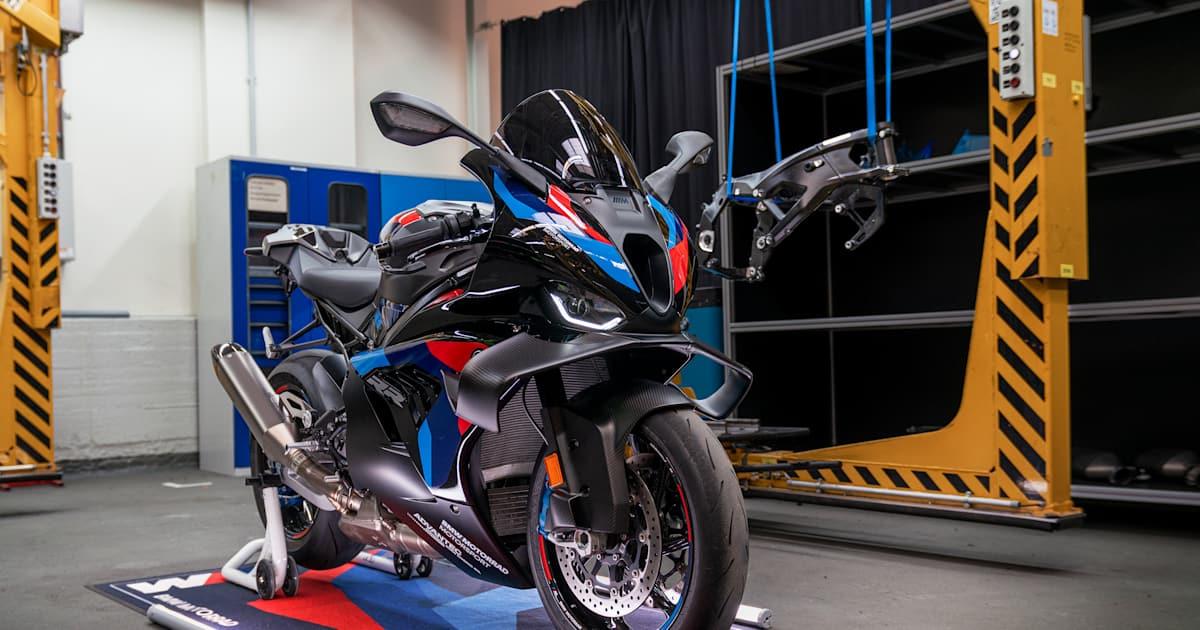
BMW has taken 1.3 kilograms out of the M 1000 RR’s frame for 2027. On a superbike where almost every component has already been scrutinised for weight, finding that much material to remove is quite an achievement.
But the engineers weren’t simply chasing a lower number on the scales.
The new aluminium frame is now in its third generation, and BMW has changed the way it responds to forces during cornering. Some sections have walls up to 30 percent thinner than those of the previous design.
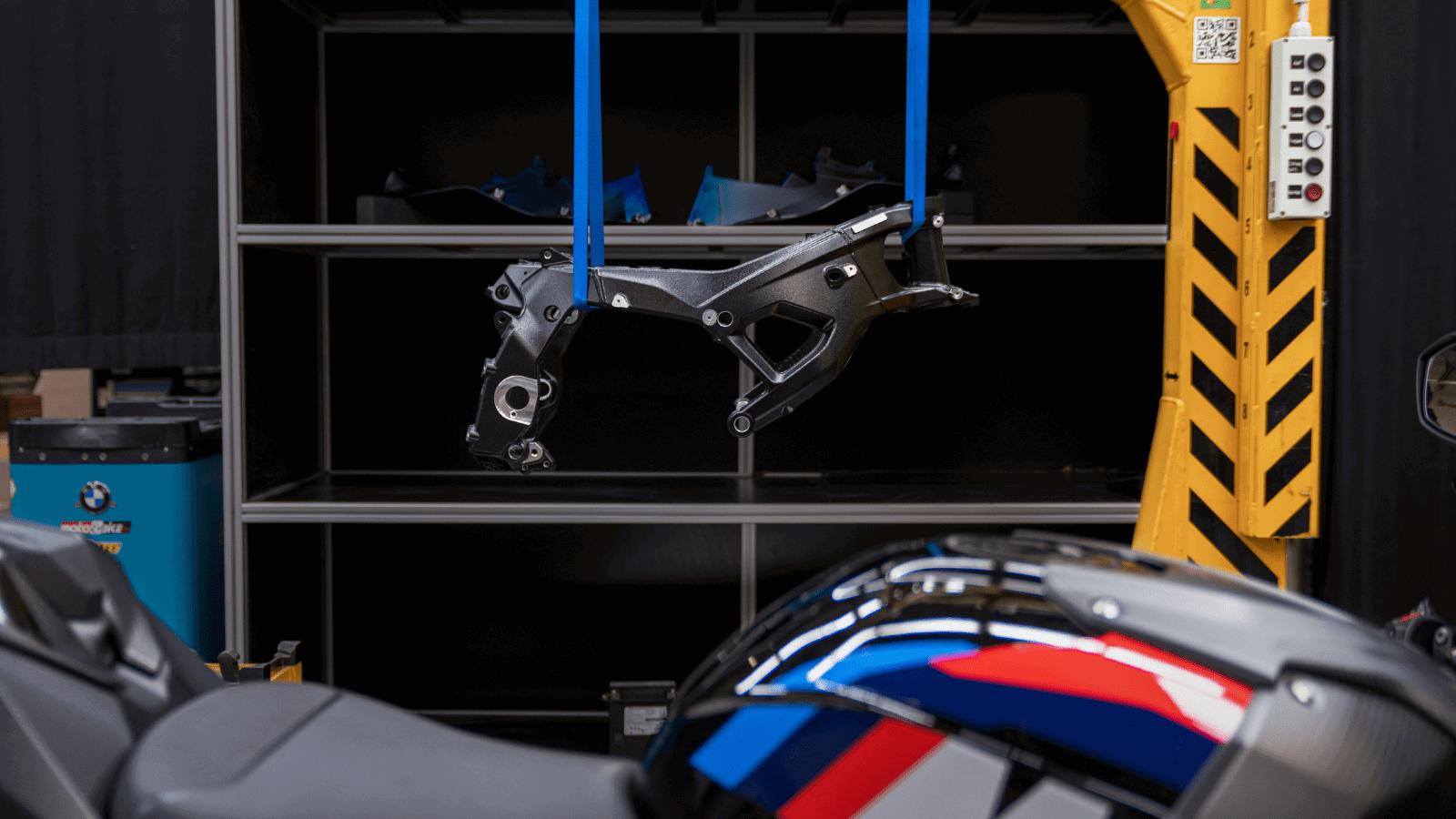
Removing metal sounds straightforward enough. Deciding exactly where to remove it is another matter.
A motorcycle frame must cope with considerable forces under braking. It also needs to behave predictably when the rider is leaning through a fast corner.
Make everything excessively rigid and the tyres can struggle to maintain consistent contact with the road. Allow too much movement and the rider loses precision.
BMW has been working somewhere between those two extremes.
The company says its latest frame provides improved lateral flexibility while retaining the stiffness required for braking and steering.
It’s a change that probably won’t be obvious to somebody riding through town.
A professional racer, however, may notice small differences in feedback when the motorcycle is approaching the limits of tyre grip.
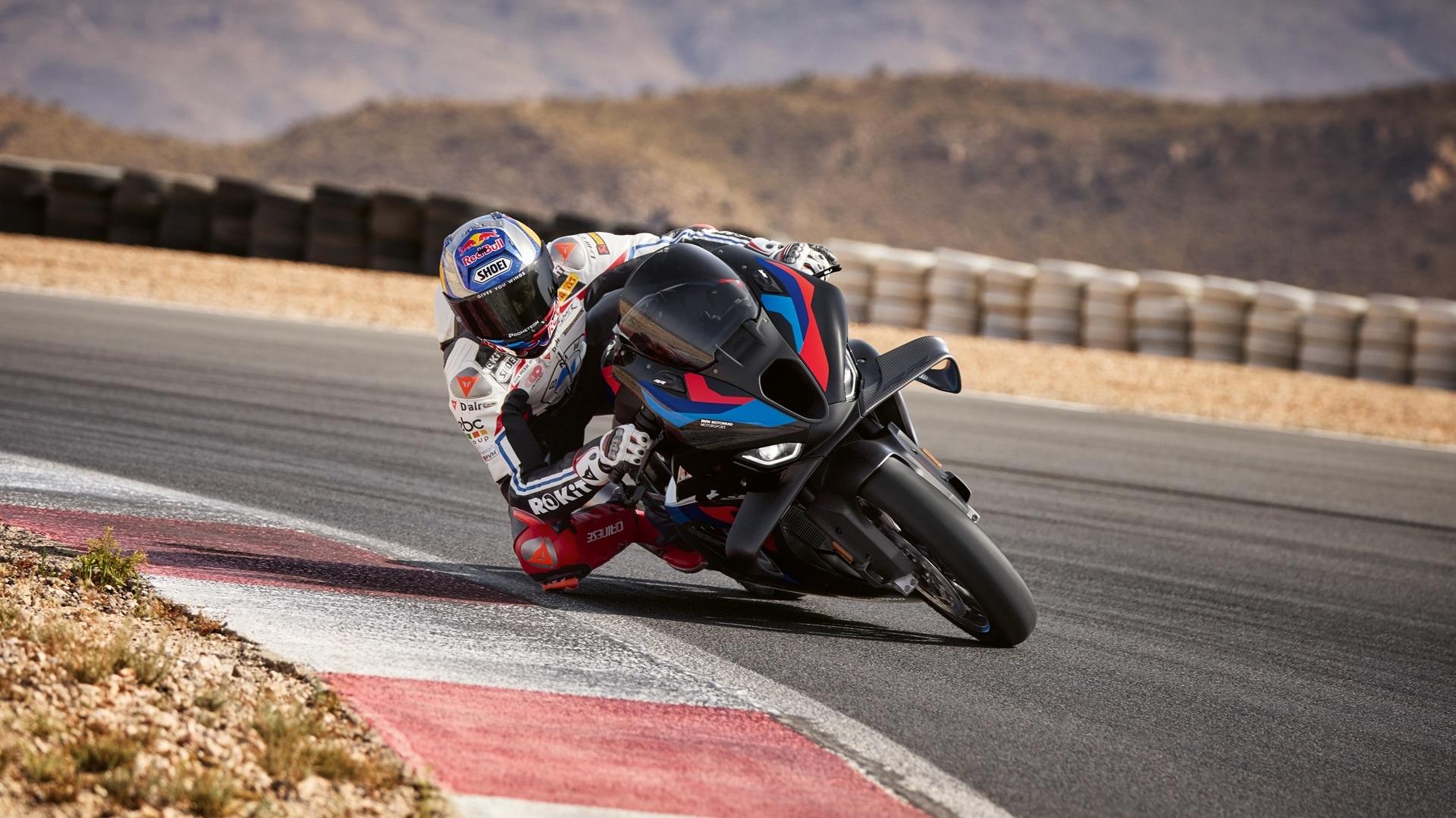
BMW hasn’t released a direct lap-time comparison for the updated frame. That makes it difficult to put a precise number on the improvement.
What we do know is how much work goes into producing it.
Four aluminium castings form the main structure. They’re manufactured at BMW’s Landshut facility using low-pressure casting, with temporary sand cores creating the internal spaces.
Those components undergo inspections before being sent to Berlin for welding and final machining.
It’s an elaborate production process for something that sits largely hidden beneath the fairing.
The approach also shows why reducing weight isn’t always as simple as fitting a lighter replacement part.
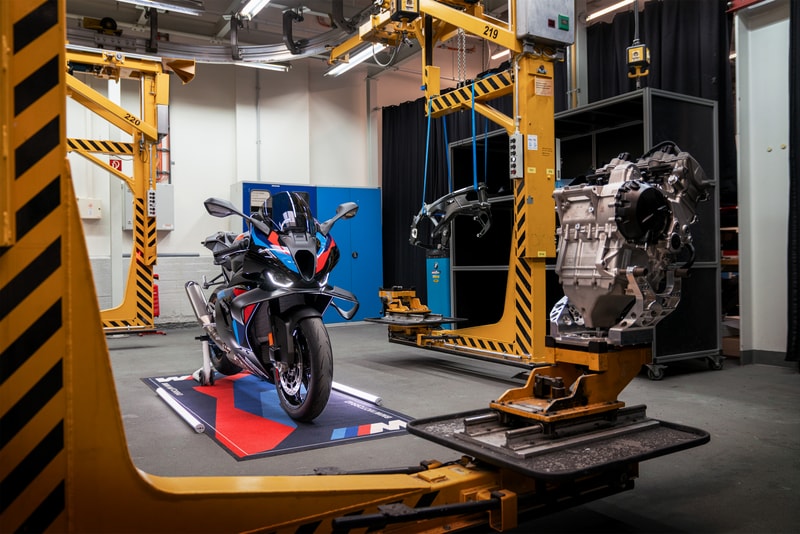
Changing the thickness of a frame section can affect how forces travel through the entire motorcycle. A small adjustment in one area may require changes elsewhere.
BMW says its racing experience influenced the development, although the finished component still has to meet the requirements of series production.
The engine isn’t the story here. Neither is a new electronic riding mode or a more aggressive paint scheme.
Instead, BMW has concentrated on a part that most owners will never remove or replace.
Whether the revised frame makes the 2027 M 1000 RR noticeably faster will depend on riding conditions and, perhaps more importantly, who’s holding the handlebars.
Leave a Reply